

 Login
Login


 December 15, 2025
|
Voiced by Amazon Polly |
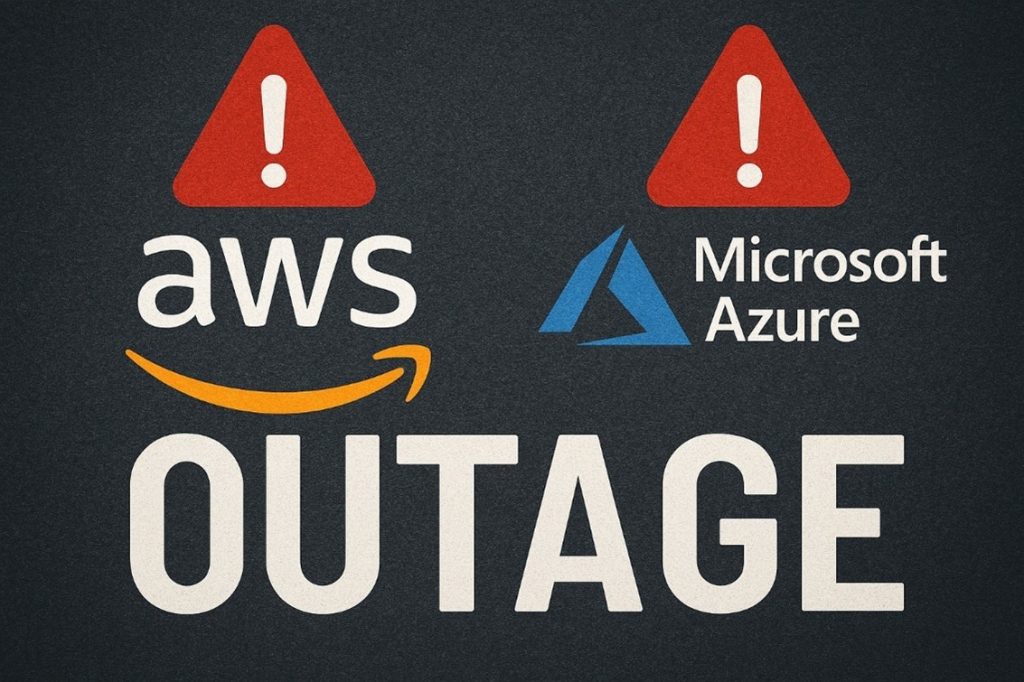
Major cloud platform outages, like the AWS outage on October 20th and the Azure outage on October 29th, 2025, left organisations across the globe scrambling to restore their operations. From banks and airlines to streaming services and gaming platforms, the disruption made it clear: even leading cloud providers are not immune to failure. But for customers relying on these platforms, the real question is- what steps can be taken to withstand future outages and safeguard critical business functions?
Start Learning In-Demand Tech Skills with Expert-Led Training
- Industry-Authorized Curriculum
- Expert-led Training
Lessons from the Recent AWS and Azure Outages
Both AWS and Azure encountered significant outages triggered by internal service failures. During the AWS outage, a DNS race condition tied to DynamoDB in the US-EAST-1 region led to a cascade of infrastructure failures, disrupting services such as Snapchat, Venmo and Canva, among others. The outage lasted over 15 hours, demonstrating the fragility of even the most robust cloud architectures.
Shortly after, Microsoft Azure experienced a global outage due to a misconfiguration in the Azure Front Door traffic management system, which impacted Azure Front Door, Microsoft 365, Xbox Live and many other services worldwide, including those in India. Over 18,000 users reported issues at peak, highlighting the outage’s severity and impact.
How Customers Can Build Resilience
Cloud resiliency is not just about trusting provider SLAs; it’s about creating diversity and fallback options in your own architecture. Here are actionable ways organizations can prepare for even the most significant cloud failures:
- Distribute Critical Services Across Multiple Regions and Clouds: Rather than confining workloads to one cloud region, deploy essential services in multiple regions and, when feasible, across more than one cloud provider. This ensures that regional outages don’t halt operations everywhere.
- Adopt Hybrid and On-Premises Solutions: For workloads that can’t tolerate prolonged downtime, leverage hybrid-cloud approaches (like Azure Local/Azure Stack HCI) to keep crucial applications running in your own data centre, with seamless failover if the public cloud goes down.
- Automate Backups and Disaster Recovery: Regular, automated backups, tested by actual recovery scenarios, help ensure you can restore data and systems quickly. Design recovery plans that include not just technical restoration but business continuity steps.
- Conduct Regular Chaos Testing and Simulated Failures: Intentionally introduce failures into your cloud setup, using chaos engineering tools, to find weaknesses before they cause problems. Periodic disaster recovery drills should be part of every organization’s routine.
- Segment Applications by Criticality with Clear SLAs: Not all services need the same level of resilience. Categorize applications by business impact and assign recovery objectives and protection patterns appropriate to their role.
- Monitor Everything, From Infrastructure to Apps: Use real-time monitoring to track infrastructure health, performance and security. Alerts and independent validation tools can help identify trouble early, often before users are impacted.
- Stay Engaged with Providers: Communicate with your cloud vendor, understand shared responsibility models and participate in resilience reviews. This proactive engagement helps align expectations and reveals areas for co-managed protection.
Why These Steps Matter
Building resilience into your cloud strategy is more than an IT consideration- it’s essential for business continuity. Multi-region and hybrid architectures minimize downtime, protect revenue and maintain customer trust when major incidents strike. Proactive testing and monitoring lead to faster recovery and more confident teams, ensuring your business is prepared for any challenge. To enhance system reliability and reduce the impact of outages, focus on strategies such as adopting well-architected principles and implementing robust infrastructure design practices.
Building Resilient Cloud Systems
In summary, cloud outages, such as the recent history of AWS outages, are not rare events but rather a natural part of the complex ecosystem of modern cloud computing. Each incident highlights the importance of shared responsibility between providers and customers in maintaining operational continuity. By taking ownership of resilience, customers can transform outages from potential disasters into manageable challenges through proactive planning, redundancy and recovery strategies. This proactive mindset ensures that vital services remain accessible even when global platforms face disruptions and vulnerabilities.
Upskill Your Teams with Enterprise-Ready Tech Training Programs
- Team-wide Customizable Programs
- Measurable Business Outcomes
About CloudThat


WRITTEN BY Mariyam Thomas
Mariyam Thomas is a Subject Matter Expert and Microsoft Certified Trainer at CloudThat, with a strong focus on Microsoft Azure and Hybrid Infrastructure. With over 10 years of experience in training and academics, she has empowered more than 5,000 professionals and learners through her engaging and hands-on training sessions. She was recognised as Top 100 MCT Quality Awards Winner for 2024-25. Mariyam is known for her ability to demystify complex cloud concepts using real-world scenarios, interactive labs, and a learner-first approach. Her deep technical expertise, combined with a passion for teaching, makes her sessions both insightful and impactful. Her dedication to continuous learning and cloud innovation reflects in her dynamic training style, making her a trusted mentor for aspiring cloud professionals.


 PREV
PREV









Comments