

 Login
Login


 September 23, 2026
|
Voiced by Amazon Polly |
Artificial Intelligence (AI) is reshaping cloud operations faster than any technology shift in the last decade. With AI copilots generating Infrastructure as Code (IaC), automating monitoring, and assisting with deployments, many professionals are asking a critical question: Will AI replace Cloud Engineers?
The short answer is no. AI is not eliminating cloud engineering roles. Instead, it is changing how cloud engineers work, what skills they need, and where they create value.
Start Learning In-Demand Tech Skills with Expert-Led Training
- Industry-Authorized Curriculum
- Expert-led Training
Why are people worried that AI would replace Cloud Engineers?
People worry that AI could replace Cloud Engineers because modern AI tools can automate infrastructure provisioning, code generation, monitoring, troubleshooting, and documentation tasks that traditionally required significant manual effort.
The concern is understandable. Modern AI tools can generate Infrastructure as Code (IaC), troubleshoot configuration issues, summarize logs, and recommend architecture improvements. Within the AWS ecosystem, AI-powered assistants help accelerate CloudFormation template creation, identify potential security issues, and streamline operational tasks.
However, evidence suggests that AI acts more as a productivity accelerator than a replacement. According to Microsoft Research, developers using GitHub Copilot completed coding tasks approximately 55.8% faster, demonstrating that AI enhances human productivity rather than eliminating the need for technical professionals.
For AWS Cloud Engineers, this trend highlights the growing importance of skills such as cloud architecture, security, automation, and AI-enabled operations. As AI handles routine tasks, engineers can focus on designing scalable solutions, improving security, optimizing costs, and supporting AI-driven workloads.
What cloud engineering task is AI automating today?
AI is currently automating repetitive operational cloud tasks, including infrastructure provisioning, configuration generation, log analysis, monitoring, anomaly detection, and incident summarization.
AI-powered capabilities across AWS, Microsoft Azure, and Google Cloud can automatically generate Terraform templates, CloudFormation scripts, Kubernetes manifests, and deployment configurations.

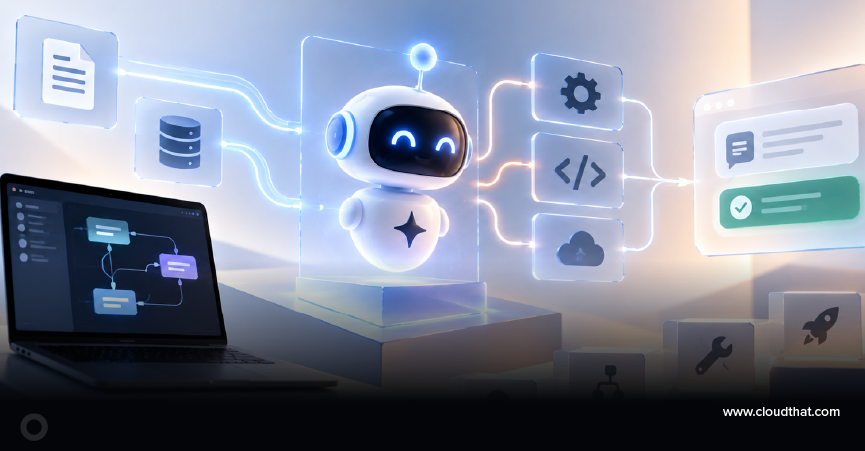
Fig 1: AI is streamlining cloud engineering through automation, monitoring, and operational intelligence.
Current AI-powered cloud operations include:
- Infrastructure as Code generation
- Log analytics and summarization
- Automated monitoring and alerting
- Incident correlation
- Root cause analysis assistance
- Cloud documentation generation
- Resource optimization recommendations
These capabilities significantly reduce manual effort and operational overhead. However, Cloud Engineers remain responsible for validating AI-generated outputs, ensuring regulatory compliance, maintaining security standards, and aligning cloud strategies with organizational goals.
AI can recommend actions, but accountability and decision-making remain human responsibilities. For example, if an AI tool suggests modifying network access rules to resolve a connectivity issue, a Cloud Engineer must assess the security implications, compliance requirements, and potential business impact before approving the change.
Why will Cloud Engineers remain relevant?
Cloud Engineers will remain relevant because AI automates operational tasks, not business-critical architecture, governance, security, compliance, and strategic decision-making. As cloud adoption and AI workloads grow, organizations need professionals who can design and manage complex cloud environments.
The demand for cloud expertise continues to be driven by digital transformation initiatives worldwide. According to the World Economic Forum’s Future of Jobs Report 2025, AI, cybersecurity, and digital technology roles are among the fastest-growing categories as organizations invest heavily in technology modernization.
Cloud platforms such as AWS, Microsoft Azure, and Google Cloud serve as the foundation for AI applications, enterprise modernization, and digital services. While AI can accelerate many operational workflows, organizations still require experienced engineers to:
- Design resilient architectures
- Implement cloud governance frameworks
- Manage identity and access controls
- Ensure regulatory compliance
- Optimize cloud costs through FinOps practices
- Build secure AI infrastructure
- Establish disaster recovery strategies
These responsibilities require contextual understanding, risk assessment, stakeholder communication, and business alignment that current AI systems cannot independently provide.
The role of Cloud Engineers is therefore evolving rather than disappearing. As organizations continue investing in cloud and AI technologies, engineers who can combine technical expertise with business-focused decision-making will become even more valuable. Rather than competing with AI, successful Cloud Engineers will leverage it as a productivity tool while concentrating on responsibilities that require human expertise and organizational context.
Professionals can strengthen their long-term career prospects by following a structured AWS Cloud Career Roadmap and building expertise in emerging areas such as platform engineering and AI infrastructure.
What will the Cloud Engineer role look like in the next 5 Years?
Over the next five years, Cloud Engineers will focus less on repetitive administration and more on architecture design, automation strategy, platform engineering, cloud governance, security, and AI-driven infrastructure management.
As AI continues automating routine operational tasks, organizations will increasingly value engineers who can create scalable and secure cloud ecosystems. Future Cloud Engineers will be expected to develop expertise in:
- Cloud Architecture and Solution Design
Designing secure, scalable, and resilient systems that support enterprise applications and AI workloads.
- AI-Assisted Cloud Operations
Leveraging AI copilots and automation tools to improve operational efficiency and reduce incident resolution times.
- DevSecOps
Integrating security directly into development and deployment pipelines.
- Platform Engineering
Building internal developer platforms that improve developer productivity and operational consistency.
- FinOps and Cloud Governance
Managing cloud spend, resource accountability, and governance policies across multi-cloud environments.
- Data and AI Infrastructure
Supporting AI workloads through services such as Amazon Bedrock, Amazon SageMaker, vector databases, and scalable data pipelines.
The most successful Cloud Engineers will not compete against AI. Instead, they will leverage AI to improve productivity while focusing on strategic and business-critical responsibilities.
Cloud Engineering in the AI Era
AI is not replacing Cloud Engineers. Instead, it is transforming the role by automating routine tasks and enabling professionals to focus on higher-value areas such as cloud architecture, security, and governance. To stay relevant in this evolving landscape, cloud professionals should continuously upskill through programs such as Advanced Generative AI Development on AWS and Agentic AI Foundations.
As organizations increasingly adopt AI-powered and cloud-native solutions, the demand for engineers who can combine cloud expertise with AI capabilities will continue to grow. By investing in skills such as DevSecOps, Platform Engineering, and AI-driven cloud operations, one can position oneself for long-term success in the next generation of cloud computing.
Upskill Your Teams with Enterprise-Ready Tech Training Programs
- Team-wide Customizable Programs
- Measurable Business Outcomes
About CloudThat
FAQs
1. What cloud tasks can AI automate today?
ANS: – AI can automate infrastructure code generation, log analysis, monitoring, incident correlation, documentation creation, and basic troubleshooting tasks.
2. Which AWS skills should Cloud Engineers learn in the AI era?
ANS: – Cloud Engineers should focus on AWS architecture, cloud security, Infrastructure as Code (IaC), Kubernetes, DevSecOps, and AI services such as Amazon Bedrock and Amazon SageMaker. These skills help professionals manage modern cloud environments while supporting AI-driven applications.
3. Is cloud computing still a good career choice in the age of AI?
ANS: – Yes. As organizations continue adopting cloud and AI technologies, the demand for professionals who can design, secure, and optimize cloud infrastructure remains strong. AI is changing job responsibilities, but it is also creating new opportunities for skilled cloud professionals.
4. Can AI design cloud architectures without human intervention?
ANS: – AI can recommend architectures and generate deployment templates, but human expertise is still required to evaluate security, compliance, scalability, cost, and business requirements. Cloud Engineers play a critical role in validating and refining AI-generated recommendations.
5. Can AI replace AWS Cloud Engineers?
ANS: – No. AI can automate repetitive operational tasks, but AWS Cloud Engineers are still required for architecture design, security implementation, governance, compliance, and business-aligned decision making.


WRITTEN BY Aditya Jha
Aditya Jha is a Technical Trainer at CloudThat Technologies, specializing in Cloud & CRM Platforms. With 4+ years of experience in the training domain, he has trained over 3500+ participants to upskill in AWS, Salesforce, ServiceNow, PowerBI, etc. Known for simplifying complex concepts with a hands-on approach, he brings deep technical knowledge and practical application into every learning experience. Aditya's passion for tech reflects in his unique approach to learning and development.


 PREV
PREV









Comments