

 Login
Login


 June 19, 2026
|
Voiced by Amazon Polly |
In today’s fast-changing business world, organizations cannot depend on outdated role structures, occasional workshops, or one-time training programs to stay competitive. Technology is evolving in the blink of an eye, business priorities are shifting, and employees now expect growth, learning, and career progress, rather than just a paycheck. In such a setting, workforce transformation is no longer a future plan. It has become a necessity for business.
But workforce transformation does not happen just by introducing a new tool or by redesigning a few processes. It requires a structured and scalable framework that helps people adapt, learn, and perform better in a changing environment. This is exactly where Capability Development Training becomes very important. It gives organizations a practical way to build future-ready talent while aligning learning with long-term business goals.
Start Learning In-Demand Tech Skills with Expert-Led Training
- Industry-Authorized Curriculum
- Expert-led Training
Why workforce transformation matters
In recent times, more and more business leaders have realized that the biggest asset of any organization is its people and not the products or services. If the workforce is not ready for change, then even the best technology investment will not produce the expected outcome. That is why workforce transformation and a strong learning culture should be seen as strategic priorities and not just HR activities.
If you are wondering how urgent this need is, consider this. According to the World Economic Forum’s Future of Jobs Report 2023, 44% of workers’ core skills are expected to be disrupted over the next five years, and 6 out of 10 workers will require training before 2027, while only half currently have access to adequate training opportunities. Now that means companies cannot wait until skill gaps become too wide. They need a structured model that continuously prepares employees rather than waiting until it’s too late.
Building the right framework
The first step in creating a scalable framework is to set a clear vision and goals. They should explain the ‘why’ behind this decision. Is it to close skill gaps? Is it to prepare employees for new technologies? Or is it to improve productivity, agility, and internal mobility? Without this clarity, the framework will struggle to deliver meaningful results.
The second step is to understand the current capabilities and future requirements. Organizations should assess current skills, identify gaps, and map those gaps against future business priorities. Once that is done, they can design role-based, relevant, and practical employee engagement programs. This is where Capability Development Training becomes more than just a training initiative. And that is exactly where programs like Capability Development Framework stand out and help organizations thrive. It becomes a goal-oriented, customized learning framework that supports both employee growth and business growth. It should also be noted that these frameworks will focus on personalized learning exercises rather than a one-size-fits-all approach.
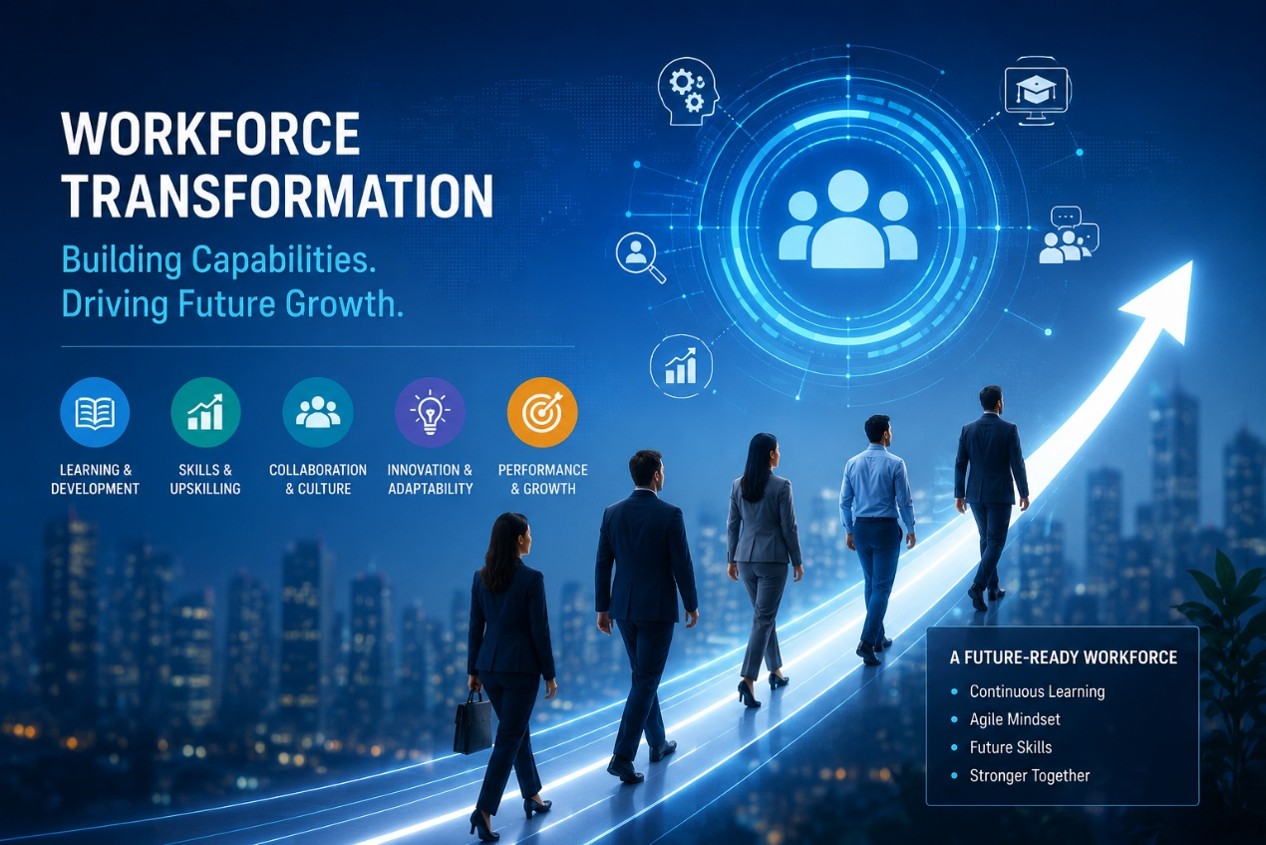
Fig 1: Building workforce capabilities to drive future growth.
Building a learning culture
One of the biggest mistakes organizations make is to conduct a single learning initiative and stop there, as if it were just to tick a box. Real transformation does not happen that way. It requires a strong learning culture in which learning becomes part of everyday work life, not just an annual event. CIPD’s evidence review on creating learning cultures highlights the importance of embedding learning into how work is done and ensuring the environment supports continuous development.
A strong learning culture usually includes the following:
- Support from top leadership. The buy-in from leadership helps employees see learning as something valuable and worth investing their time in.
- Learning is becoming part of everyday work life and not just an annual event.
- Strong leadership support, periodic assessments, continuous feedback, and regular measurement of progress.
- Higher employee engagement, assuming accountability, and a more adaptable workforce over a period of time.
LinkedIn’s 2024 workplace learning findings also show that organizations with strong learning cultures see higher retention, better internal stability, and less politics, which clearly depicts how a learning culture directly supports business performance.
Making the framework scalable
A scalable model should use a good blend of learning methods. There will be employees who prefer self-paced digital learning, and others who value in-person sessions, mentoring, and hands-on workshops. So, the framework should combine digital learning, instructor-led training, coaching, and on-the-job application in a way that maintains the human touch and supports all types of learners.
It is also extremely important to measure progress and keep improving. Organizations should not only assess training completion but also the actual improvements in skills, productivity, retention, and employee engagement.
For the framework to be scalable, organizations should focus on a few things consistently:
- Use a good blend of digital learning, instructor-led training, coaching, and on-the-job application.
- Keep the human touch rather than relying solely on digital methodologies.
- Measure training completion, actual skill improvement, productivity, retention, internal mobility, and employee engagement.
- Keep improving the framework based on progress and business value.
Building Future-Ready Workforces
Ultimately, creating a scalable framework for transformation doesn’t mean replacing people with automated systems. It is about preparing people to thrive in future business requirements and scenarios, so they also grow along with the business. More importantly, when organizations invest in focused Capability Development Training, employee engagement programs, upskilling and reskilling, and a strong learning culture, people also feel that they are growing. And for the business, they are not only preparing for tomorrow but also building a stronger, more engaged workforce for today.
If there is one strategic move every business leader should make right now, it is to treat workforce transformation as a growth engine, not just a change initiative. Because when your people grow, your business grows, it is as simple as that!
Upskill Your Teams with Enterprise-Ready Tech Training Programs
- Team-wide Customizable Programs
- Measurable Business Outcomes
About CloudThat


WRITTEN BY Shahab M
Shahab Muhammed is the Vertical Head of Power BI Team at CloudThat, specializing in Power BI & Data Analysis trainings. With 10 years of experience in training industry, he has trained over 5000 professionals to upskill in technologies like Power BI, Excel and other Power Platform technologies. With an industry experience as a BI Consultant, he brings deep technical knowledge and practical application into every learning experience. Shahab's passion for training and development reflects in his unique approach to learning and development.


 PREV
PREV




Comments