

 Login
Login


 September 3, 2026
|
Voiced by Amazon Polly |
As organizations continue to embrace cloud-native applications, protecting sensitive information has become a top priority. Modern applications depend on secrets such as API keys, database credentials, storage connection strings, certificates, and encryption keys. Managing these assets securely is critical to maintaining a strong security posture and ensuring business continuity.
Azure Key Vault is Microsoft’s centralized service for securely storing and managing secrets, cryptographic keys, and certificates. It helps organizations protect sensitive data while providing controlled access to applications and users. Reviewing vault configurations, checking certificate expirations, validating security settings, auditing access permissions, and preparing compliance reports are all necessary activities that can become increasingly time-consuming as cloud environments grow.
Microsoft Copilot is changing the way administrators perform these day-to-day operations. Rather than manually navigating multiple Azure resources or searching through documentation, administrators can interact with Azure in natural language. Copilot assists with gathering information, analyzing configurations, summarizing environments, and identifying potential security concerns, allowing teams to work faster and more efficiently.
This article explores how Microsoft Copilot enhances Azure Key Vault administration by simplifying routine operations, improving visibility, and enabling administrators to focus on strategic security initiatives rather than repetitive manual tasks.
Start Learning In-Demand Tech Skills with Expert-Led Training
- Industry-Authorized Curriculum
- Expert-led Training
Microsoft Copilot as an Intelligent Operational Assistant
One of the biggest advantages of Microsoft Copilot is its ability to simplify administrative tasks through natural language interactions. Instead of navigating through multiple Azure portal pages, administrators can ask questions in plain English and receive contextual responses.
For example, an administrator may want to understand how Key Vaults are configured across different subscriptions or identify resources that require attention. Rather than manually opening each vault, reviewing settings, and documenting observations, Copilot helps organize the information into an easy-to-understand summary.
This conversational approach significantly improves productivity, especially for administrators responsible for managing large Azure environments. It also reduces the learning curve for new team members who may not yet be familiar with every Azure security feature.
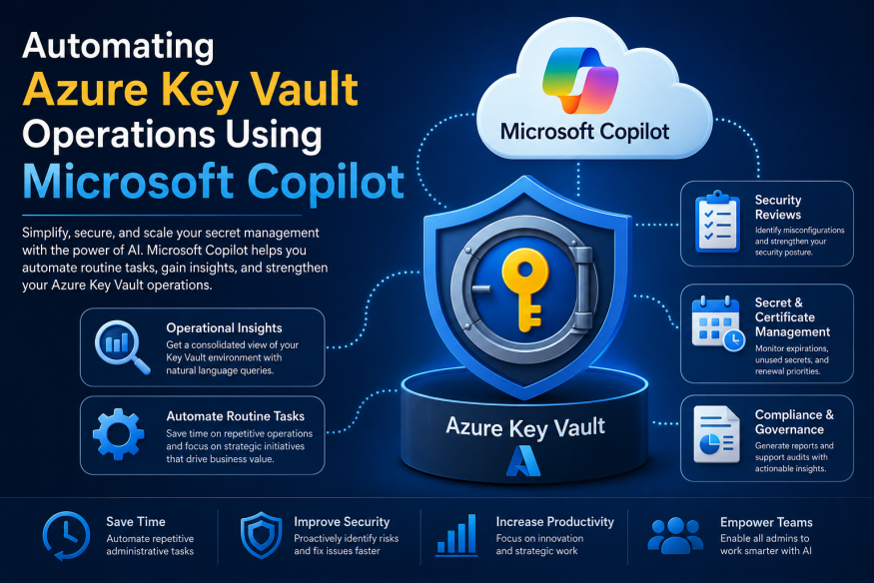
Fig 1: Key Vault automation using Copilot.
Simplifying Security Reviews
Regular security assessments are essential for protecting sensitive information stored within Azure Key Vault.
Microsoft Copilot helps streamline these assessments by presenting summarized security information, enabling administrators to identify inconsistencies more quickly.
Improving Secret Lifecycle Management
Secrets require continuous monitoring throughout their lifecycle. Database passwords eventually expire, API keys are rotated, certificates require renewal, and older credentials become obsolete. Without proper oversight, expired secrets may interrupt application functionality, while unused credentials can introduce unnecessary security risks.
Microsoft Copilot improves visibility into secret lifecycle management by helping administrators understand the overall health of their Key Vault environment. It can assist in identifying secrets approaching expiration, highlighting outdated credentials, and providing summarized inventory information to support proactive maintenance activities.
This enables organizations to move from reactive administration toward preventive management, reducing unexpected service interruptions while improving overall security. To design architecture and manage key vault lifecycle, multiple Azure certification courses are available.
Supporting Compliance and Governance
Many industries must comply with security standards that require strict controls over the management of secrets.
Compliance teams frequently need evidence demonstrating:
- Encryption practices
- Secret protection
- Access control implementation
- Audit logging
- Data protection policies
- Operational governance
Preparing this information manually often involves collecting data from multiple Azure resources.
Accelerating Operational Investigations
Authentication failures, certificate issues, or access-related problems often require administrators to investigate Azure Key Vault during troubleshooting. Identifying the root cause typically involves reviewing multiple configurations, permissions, identities, and audit information before determining what has gone wrong.
Microsoft Copilot provides a consolidated operational view, helping administrators understand the current state of their environment more quickly. Instead of spending valuable time collecting information from different locations, teams can focus on resolving issues faster and restoring application availability.
Microsoft certification helps organizations adopt automation more quickly without extensive experience.
Faster investigations ultimately contribute to reduced downtime and improved operational efficiency.
Improving Administrator Productivity
Cloud administrators perform numerous repetitive operational tasks every day. Reviewing configurations, documenting security settings, validating governance policies, preparing reports, and checking resource consistency consume a significant portion of their working hours.
Microsoft Copilot reduces the administrative burden by helping gather information, organize findings, and summarize operational data. Rather than replacing administrators, it enables them to spend more time designing secure architectures, implementing governance strategies, and improving cloud security.
The result is higher productivity without compromising operational quality or security standards.
Driving Consistency across Enterprise Environments
As Azure environments continue to expand across multiple subscriptions, departments, and geographical regions, maintaining configuration consistency becomes increasingly challenging.
Microsoft Copilot provides administrators with better visibility into their Azure Key Vault deployments, making it easier to identify inconsistencies and encourage standardized configurations across the organization.
Best Practices for Maximizing Microsoft Copilot
Organizations can maximize the value of Microsoft Copilot by following several best practices:
- Treat Copilot as an operational assistant rather than an automated decision-maker.
- Regularly validate recommendations before acting on them.
- Maintain strong governance and least-privilege access to Azure Key Vault resources.
- Use Copilot to support routine operational reviews, compliance reporting, and security assessments.
- Continue implementing Azure security best practices such as Soft Delete, Purge Protection, role-based access control (RBAC), private endpoints, and comprehensive monitoring.
- Combine Copilot insights with organizational security policies to ensure consistent operations across all environments.
Smarter Key Vault Management
Managing Azure Key Vault efficiently becomes increasingly challenging as cloud environments expand. Administrators must continuously monitor secrets, certificates, permissions, and security configurations while meeting governance and compliance requirements. Performing these activities manually not only consumes time but also increases the likelihood of human error.
Microsoft Copilot introduces a smarter approach to Azure administration by simplifying routine operational activities through conversational AI. It helps administrators gain better visibility into their Azure Key Vault environment, supports proactive security management, accelerates investigations, and reduces repetitive administrative effort.
Rather than replacing Azure Key Vault’s existing capabilities, Microsoft Copilot enhances them by making everyday operations more intelligent and efficient. Organizations that combine the security strengths of Azure Key Vault with AI-assisted operational support can improve productivity, strengthen governance, and build a more resilient cloud security strategy.
Upskill Your Teams with Enterprise-Ready Tech Training Programs
- Team-wide Customizable Programs
- Measurable Business Outcomes
About CloudThat


WRITTEN BY Kunal Khadke
Kunal Khadke is a Subject Matter Expert and Microsoft Certified Trainer at CloudThat, with a strong focus on Microsoft Azure Infrastructure and security. With 10+ years of experience in cloud, he has trained over 5000 professionals. Kunal has a strong passion for empowering IT professionals and organizations on their cloud journey. He has hands-on experience in cloud architecture, deployment, and security. He delivers practical, real-world training that bridges the gap between certification and implementation. Kunal has trained professionals across industries, helping them master Azure services such as Virtual Networks, Azure Active Directory, Security, Networking, and more. Known for his clear teaching style and deep technical knowledge, Kunal is dedicated to shaping the next generation of cloud experts.


 PREV
PREV











Comments