

 Login
Login


 March 18, 2026
|
Voiced by Amazon Polly |
Microsoft’s security certification program provides these comprehensive skills by integrating identity protection, cloud security, and secure DevOps practices into a unified system. Nowadays, the reliability of organizations on interconnected systems is so high that identity, cloud infrastructure, and DevOps practices work together more closely than ever before. As cyber threats grow in scale and complexity, there is a growing need for professionals with expertise across multiple security disciplines.
This blog explores key Microsoft 365 Security Training that helps learners strengthen cross-domain expertise across Identity, Cloud, and DevOps.
Start Learning In-Demand Tech Skills with Expert-Led Training
- Industry-Authorized Curriculum
- Expert-led Training
Why Microsoft Security Skills Matter in Modern Enterprises
Security can no longer operate in silos. Identity professionals must understand cloud workloads, cloud engineers must safeguard access, and DevOps teams must embed security into automation pipelines. Microsoft’s security stack, Azure AD (Entra ID), Defender Suite, Sentinel, and Azure DevOps, reflects this convergence.
Professionals equipped with the right certifications can help organizations:
- Strengthening identity-centric Zero Trust strategies
- Secure hybrid and multi-cloud workloads
- Build compliant DevOps pipelines with integrated security
- Respond to threats using AI-driven tools
- Reduce risk through proactive governance and automation
Below are the top Microsoft Security role-based certifications that unify competencies across the three domains and bridge Identity, Cloud & DevOps.
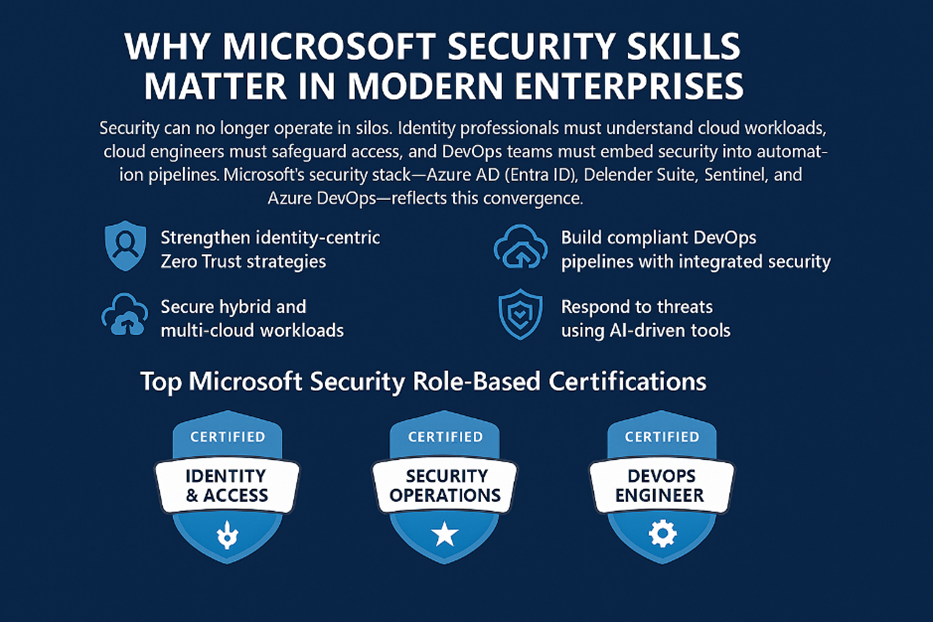
Fig 1: Pictorial representation of why Microsoft security skills matter in modern enterprises.
1. SC‑900: Microsoft Security, Compliance & Identity Fundamentals
Primary Focus: Basic understanding of security, compliance, and identity across Microsoft services.
Those beginners and professionals who need a high-level grasp of Identity security, Cloud security, and Microsoft’s security ecosystem, SC-900 is the best certification to start with. It provides a clear overview of Zero Trust, threat protection, compliance management, identity governance, and cloud security principles.
- Suitable for: Beginners, project managers, cross-functional teams, and leadership
- Bridges:Identity basics → Cloud & compliance fundamentals
2. SC‑300: Microsoft Identity and Access Administrator
Primary Focus: Authentication, authorization, Identity governance, lifecycle management, and access controls
The course also covers Conditional Access, Privileged Identity Management (PIM), Identity governance, and the integration of identity with cloud platforms. For those who want to build their careers in Identity Security, SC‑300 provides hands-on skills in designing, implementing, and managing Microsoft Entra ID (formerly Azure AD).
Suitable for: Identity & Access Administrators, Security Engineers
Bridges: Identity → Cloud access → Secure DevOps authentication
3. SC‑100: Microsoft Cybersecurity Architect
Primary Focus: End-to-end security architecture across hybrid environments, DevOps systems, and cloud infrastructure.
SC-100: Microsoft Security certification courses, which bridge identity, cloud & DevOps, are among Microsoft’s most advanced certifications, unifying skills from Cloud security, DevOps security, and identity governance. Learners here understand how to design Zero Trust architectures, secure workloads, evaluate security postures, and lead organization-wide security strategies.
Suitable for: Senior Security Architects, Cloud Architects
Bridges: Identity + Cloud + DevOps + Governance
This certification is best pursued after completing SC‑900/200/300/401.
4. AZ‑500: Microsoft Azure Security Engineer
It is an essential course for professionals in cloud security and those integrating DevOps security techniques such as container hardening, vulnerability scanning, and secure CI/CD. AZ‑500 focuses completely on guarding cloud workloads—network security, access management, container protection, key vaults, policy enforcement, and cloud threat response.
Suitable for: Azure security engineers, cloud administrators
Bridges: Cloud security → Identity enforcement → DevOps container security
5. AZ‑104 + AZ‑700 (Optional Add-ons to Strengthen Security)
While not strictly security certifications, these enhance your understanding of:
- Secure identity integration
- Secure networking
- Access policies
- Cloud governance structures
Together, they create a strong foundation for advanced DevSecOps and cloud security roles.
How These Certifications Complement DevOps Security
DevOps workflows increasingly rely on automated deployments, infrastructure-as-code, and distributed microservices. This increases both speed and risk. Microsoft security certifications prepare professionals to integrate protection at every stage:
- Secure CICD pipelines: Implementing secret management, vulnerability scanning, and policy enforcement
- Governance automation: Applying Azure Policy, Blueprints, and compliance checks
- Identity-first security: Enforcing conditional access and least privilege through Entra ID
- Cloud-native threat detection: Using Defender for Cloud and Sentinel analytics
By combining all these Microsoft 365 Security Training, such as Identity security, Cloud security, and DevOps security, certified professionals create a robust end-to-end security posture.
Who Should Pursue These Certifications?
These certifications are suitable for:
- DevOps engineers embracing DevSecOps
- Security analysts seeking cross-platform expertise
- Architects building Zero Trust environments
- Cloud engineers transitioning into security
- Identity administrators expanding into cloud workloads
Professionals who develop skills across all three domains can support enterprise-scale digital transformation securely and efficiently.
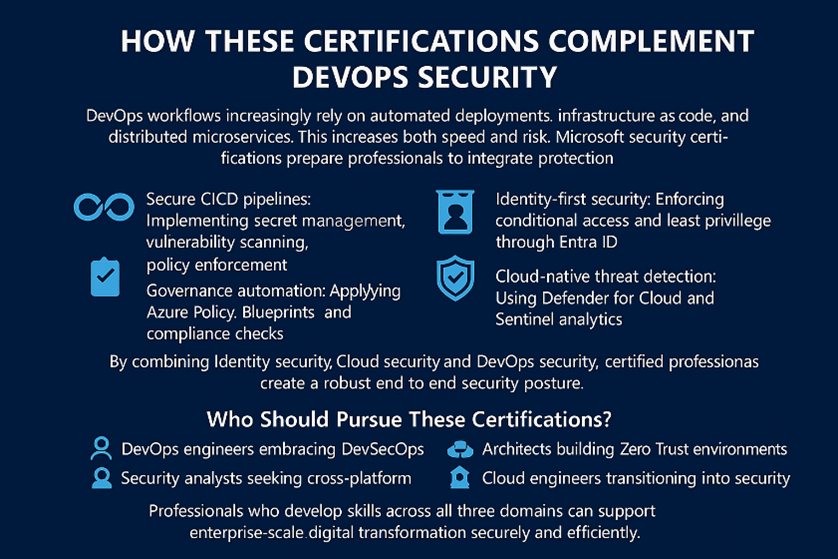
Fig 2: Pictorial representation of how these certifications complement DevOps security.
Unified Security Skillset
Microsoft’s security certifications, especially SC‑900, SC‑300, SC‑100, and AZ‑500, provide structured learning paths that unify the pillars of Identity security, Cloud security, and DevOps security. As organizations adopt cloud-native architectures and DevOps practices, security responsibilities spread across multiple teams.
Whether you’re beginning your journey or advancing into architecture-level roles, these certifications offer the depth and breadth needed to safeguard modern digital ecosystems.
Upskill Your Teams with Enterprise-Ready Tech Training Programs
- Team-wide Customizable Programs
- Measurable Business Outcomes
About CloudThat


WRITTEN BY Neharika
Neharika is a Microsoft Certified Trainer at CloudThat. She is an enthusiastic and passionate trainer and an empathic observer towards the trending technologies with demonstrated skill in delivering corporate training on Microsoft Fabric, Data Analysis in Microsoft Power BI, Data Visualization using Tableau and Advance Excel with Copilot. She has 8 years of experience in training Industry and has delivered several trainings, seminars and webinars online as well as offline. She has trained 3500+ professionals and conducted 500+ trainings so far. She has delivered training for Microsoft and several corporate clients. She has won the MCT QUALITY AWARD and was recognized as one of the Top 100 MCT across the Globe for the year 2024-2025.


 PREV
PREV












Comments