

 Login
Login


 March 24, 2026
|
Voiced by Amazon Polly |
Modern attacks rarely stay in one lane. A stolen password can escalate to a privileged session, then to a cloud misconfiguration, and finally to lateral movement across endpoints and email, all in hours. That’s why “next-gen cloud defence” is less about one tool and more about a connected security story: identity, detection, response, and governance working together.
The fastest way to build those skills without learning everything the hard way is to follow a certification path designed around real job roles and security workflows. In the Office 365 Security Training, the story typically starts with identity (what many teams still call Azure AD, now Microsoft Entra ID) and scales into extended detection and response with Defender XDR.
Below is a practical, certification-led roadmap that links identity fundamentals to SOC operations and XDR outcomes, with clear steps you can apply whether you’re building a new cloud security practice or upskilling an existing one.
Start Learning In-Demand Tech Skills with Expert-Led Training
- Industry-Authorized Curriculum
- Expert-led Training
Why cloud defense now starts with identity (and why “Azure AD” still matters)
Most cloud incidents involve identity somewhere in the chain: permissions, guest access, logins, tokens, or mis-scoped admin rights. So, before you chase advanced detections, you need to control who can access what, from where, and under what conditions.
That’s the heart of modern identity security in Microsoft Entra ID: authentication, access policies, lifecycle management, and governance patterns you’ll see repeatedly in real environments. The SC-300 role-based certification is designed around those capabilities: building identity and access solutions, applying Zero Trust principles, and managing governance features to prevent privilege creep over time.
Practical takeaway: If you can’t confidently design Conditional Access policies, manage external identities, and troubleshoot sign-in risk signals, your SOC will spend too much time reacting to preventable identity-driven incidents.
The certification bridge: fundamentals → identity mastery
Many security teams underestimate the value of fundamentals training. But “fundamentals” doesn’t mean “fluffy”- it means shared vocabulary and mental models (Zero Trust, shared responsibility, compliance basics) that reduce confusion when incidents hit.
A common starting point in Office 365 Security Training is SC‑900, which covers foundational security, compliance, and identity concepts across Microsoft Entra ID and Cloud services and is intended for people who want to understand how Microsoft’s security capabilities fit together end-to-end.
From there, an identity-focused progression through SC‑300 gives you the controls that stop attacks early: secure authentication patterns, access governance, and hybrid identity considerations.
Suggested learning sequence (simple and effective):
- Start with fundamentals (SC‑900) to map the ecosystem
- Build identity depth with SC‑300 to harden the perimeter that matters most.
Moving from protection to detection: what XDR changes in security operations.
Traditional monitoring often creates “tool silos”: endpoint alerts in one place, identity signals in another, email threats in a third. That fragmentation slows investigations and creates blind spots.
Defender XDR changes the workflow by correlating signals across multiple domains to produce higher-confidence incidents and a more unified investigation experience. In Microsoft’s security operations training, XDR is treated as a central pillar of modern SecOps, working alongside Microsoft Sentinel and Defender for Cloud to investigate, respond, and hunt.
This is exactly what the SC‑200 path is built to teach: threat mitigation and incident response using Microsoft’s security operations platform, with hands-on skills that match day-to-day SOC tasks.
Practical takeaway: If identity is “how intrusions start,” XDR is “how you connect the dots quickly enough to stop them.”
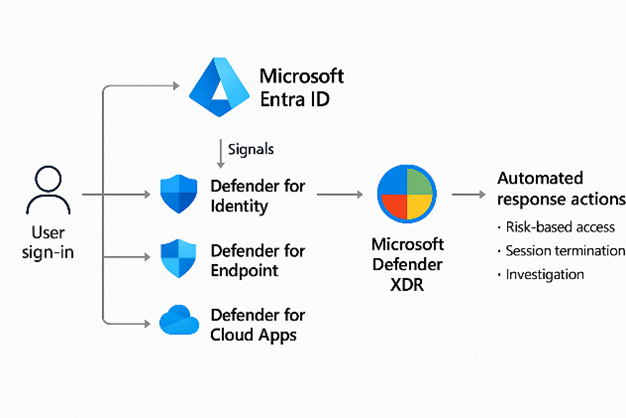
Fig 1: Overview of Defender XDR in Microsoft Entra ID
What you learn on the SC 200 track (and why it’s a next-gen defense skill)
A good SOC analyst doesn’t just acknowledge alerts; they validate impact, contain the threat, and reduce recurrence. The Microsoft Learn course outline for security operations highlights core capabilities: investigating and hunting threats using Microsoft Sentinel, working with Microsoft Defender XDR, and improving detection and response through structured workflows.
If you’re aiming for next-gen cloud defense, SC‑200 is where you stop thinking in isolated “products” and start thinking in connected incidents:
- Correlate endpoint + identity + email signals into one incident view (XDR mindset).
- Use investigation and response patterns that scale beyond one tenant or one alert type.
- Build confidence in triage decisions because the evidence is connected, not scattered.
From practitioner to architect: where SC 100 fits
Once you can implement and operate controls (identity, SOC, XDR), the next step is to design a security strategy across the entire cloud estate. Microsoft positions the cybersecurity architect role as advanced and expects prior associate-level experience (often from the security, identity, and operations portfolio).
The SC‑100 course focus includes designing a Zero Trust strategy, evaluating governance and compliance, and defining security operations strategy, topics that naturally build on the identity and XDR skills from earlier certifications.
Practical takeaway: SC‑100 is less about “which button to click” and more about “how to design security so the buttons you click matter.”
A role-based roadmap: from Azure AD foundations to Defender XDR operations
Here’s a clean pathway you can use to plan individual learning or team capability building:
1) Build the shared baseline
Start with SC‑900 if you want a structured view of Microsoft security, compliance, and identity fundamentals.
2) Secure the identity plane
Take SC‑300 to master identity and access administration, including governance patterns and secure access design in Microsoft Entra ID (formerly Azure AD).
3) Operate modern detection and response
Use SC‑200 to learn how to investigate and respond using Microsoft’s security operations platform, including Defender XDR and Microsoft Sentinel.
4) Design an end-to-end security strategy
Move to SC‑100 once you can connect identity, SecOps, and governance into a single security architecture.
Defender XDR Summary
In Office 365 Security Training, the shift from Azure AD-era identity administration to Defender XDR-driven incident response reflects how attackers operate today: cross-domain, fast-moving, and identity-centric. The good news is that Microsoft’s role-based certifications align with that reality, starting with fundamentals, strengthening identity controls, and then building modern SecOps response skills that scale.
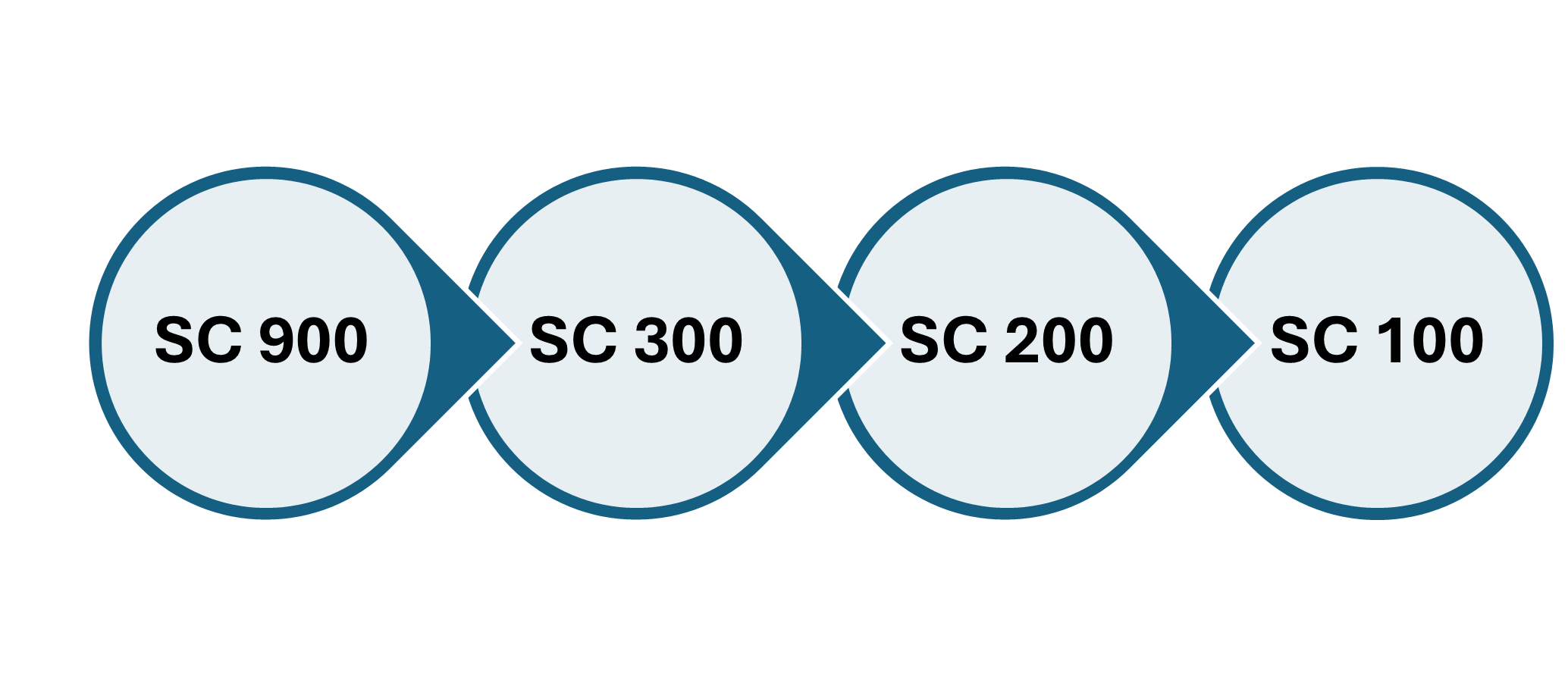
Fig 2: Certification path to build the security capabilities.
If you follow a deliberate path as shown in the image above, you’ll build security capability that’s practical, measurable, and ready for modern cloud threats, without relying on luck or tribal knowledge.
Upskill Your Teams with Enterprise-Ready Tech Training Programs
- Team-wide Customizable Programs
- Measurable Business Outcomes
About CloudThat


WRITTEN BY Neharika
Neharika is a Microsoft Certified Trainer at CloudThat. She is an enthusiastic and passionate trainer and an empathic observer towards the trending technologies with demonstrated skill in delivering corporate training on Microsoft Fabric, Data Analysis in Microsoft Power BI, Data Visualization using Tableau and Advance Excel with Copilot. She has 8 years of experience in training Industry and has delivered several trainings, seminars and webinars online as well as offline. She has trained 3500+ professionals and conducted 500+ trainings so far. She has delivered training for Microsoft and several corporate clients. She has won the MCT QUALITY AWARD and was recognized as one of the Top 100 MCT across the Globe for the year 2024-2025.


 PREV
PREV












Comments