

 Login
Login


 March 23, 2026
|
Voiced by Amazon Polly |
Enterprise learning initiatives often fail not because of poor content, but because they lack clarity on why the training exists in the first place. Teams attend sessions, complete labs, and earn certificates, yet business leaders still struggle to see measurable impact.
This is where outcome-driven training becomes critical. Instead of starting with tools or technologies, this approach begins with business needs and works backwards to design meaningful learning experiences. In this blog, we explore how organizations can build corporate training programs that genuinely support enterprise goals, scale across teams, and deliver results that matter.
Start Learning In-Demand Tech Skills with Expert-Led Training
- Industry-Authorized Curriculum
- Expert-led Training
Understanding Outcome-Driven Training
At its core, outcome-driven training focuses on what teams should be able to do after the program, not what content they have consumed. This shift changes how learning teams define success. For enterprise environments, outcomes might include improved system reliability, stronger security practices, faster release cycles, or better cost governance. Training is designed to directly support these outcomes, ensuring learning investments align with operational realities.
This approach encourages accountability on both sides: learners apply skills in real scenarios, and organizations design programs that support actual work.
Aligning Training with Enterprise Business Goals
Effective corporate training programs are tightly aligned with business priorities. This requires collaboration between learning teams, technical leaders, and decision-makers. Rather than generic upskilling, training objectives should reflect current and upcoming initiatives such as cloud migration, DevOps adoption, or compliance readiness. When training mirrors real enterprise challenges, learners see immediate relevance, and adoption improves naturally. This alignment also helps leadership evaluate training success using familiar business metrics rather than abstract learning indicators.
Designing Role-Based Learning Paths for Enterprise Teams
Enterprise teams are rarely uniform. Developers, architects, operations teams, and managers each interact with systems differently, even when working toward the same goal. A strong enterprise learning strategy accounts for this by creating role-based paths that share common outcomes but vary in depth and execution. For example, engineers may focus on hands-on labs, while architects analyze design trade-offs and governance models.
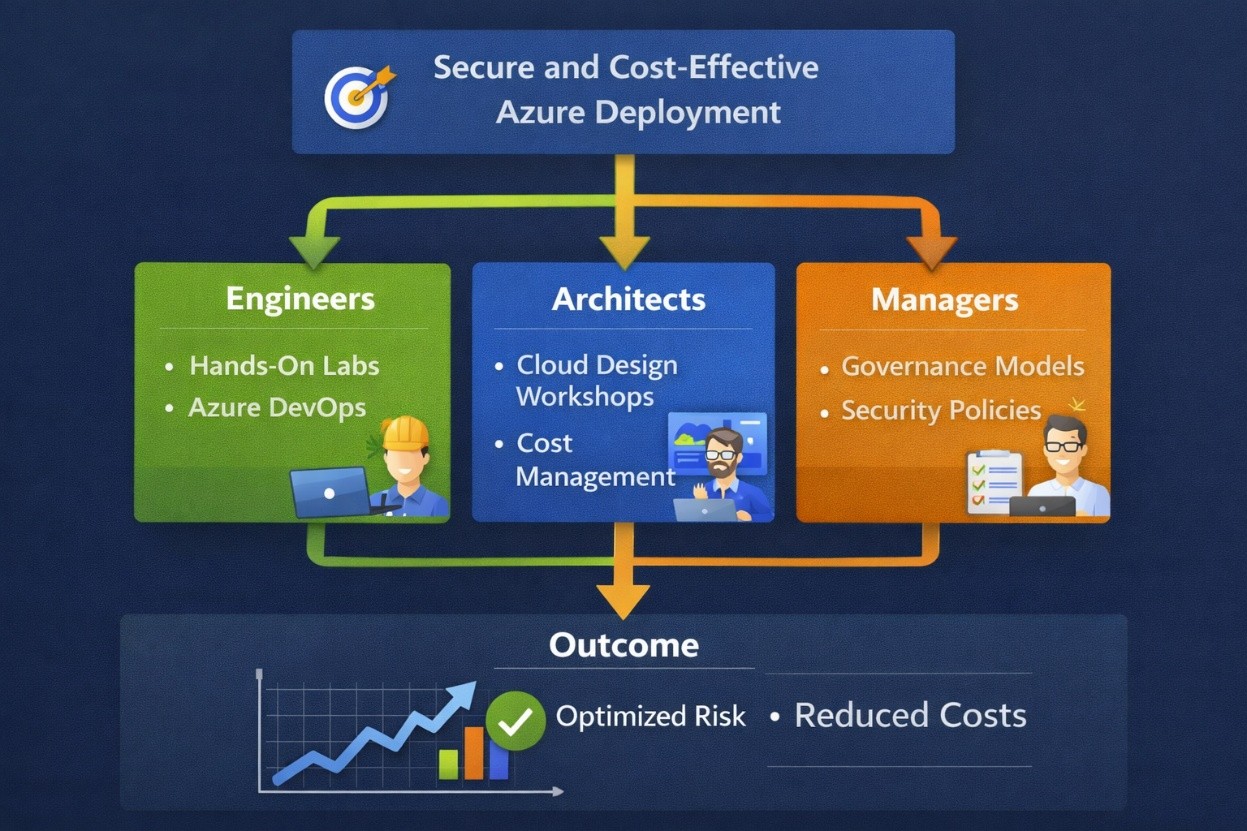
Fig 1: Role‑based learning paths aligned to a shared enterprise outcome.
This structure keeps training efficient while respecting role-specific responsibilities.
Measuring Success Beyond Course Completion
Completion rates and attendance metrics provide limited insight into real performance change. Outcome-driven programs rely on indicators that reflect actual improvement.
These may include:
- Reduced production incidents
- Faster deployment or recovery times
- Improved audit or compliance results
- Successful application of skills in live projects
Hands-on, scenario-based programs, such as Microsoft Azure DevOps Certification Training, are often valued because they directly map learning outcomes to enterprise delivery needs.
Sustaining Long-Term Employee Development
Training should not be treated as a one-time event. Technologies evolve, teams change, and enterprise systems grow more complex over time. Sustainable employee development includes refresher sessions, advanced workshops, and access to updated learning paths. Organizations that treat learning as a continuous process tend to see stronger retention and more consistent performance. Advanced role-focused programs like the Microsoft Azure Solutions Architect Expert course support long-term capability building rather than short-term skill acquisition.
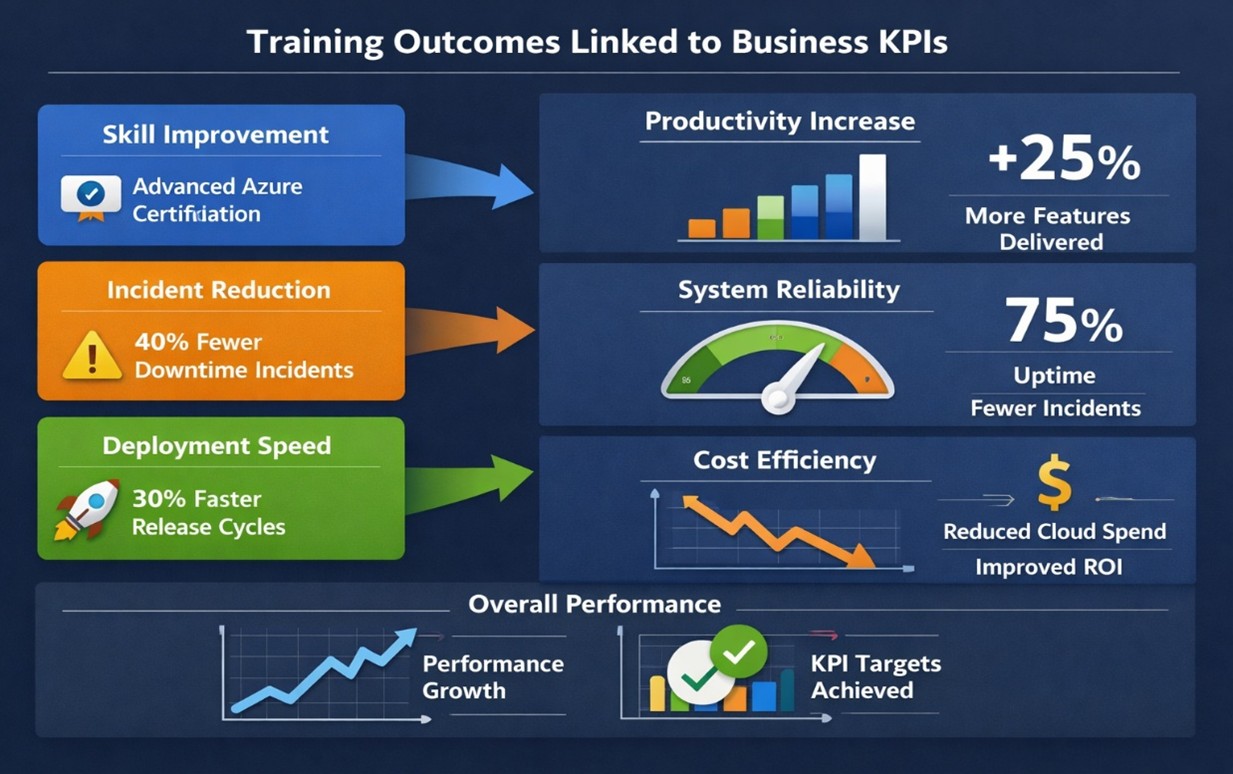
Fig 2: A dashboard-style image showing training outcomes linked to business KPIs reinforces how learning supports measurable enterprise goals.
Strategic Enterprise Learning
Designing effective outcome-driven training requires intention, collaboration, and clarity. When corporate training programs are aligned with business goals, structured around roles, and measured using meaningful metrics, learning becomes a strategic asset rather than an administrative task. For enterprises navigating complex technology and operational challenges, a well-designed enterprise learning strategy ensures that training efforts translate into confident teams, better decisions, and sustained performance improvements.
Upskill Your Teams with Enterprise-Ready Tech Training Programs
- Team-wide Customizable Programs
- Measurable Business Outcomes
About CloudThat
FAQs
1. What is outcome-driven corporate training?
ANS: – It is a training approach focused on measurable performance improvements rather than content completion or attendance.
2. How does this approach benefit enterprise teams?
ANS: – It ensures learning directly supports real work scenarios, improving adoption and long-term impact.
3. Can a single program support multiple roles?
ANS: – Yes. Role-based learning paths allow different teams to work toward shared outcomes with appropriate depth.
4. How should organizations measure training success?
ANS: – By tracking business-aligned metrics such as productivity, system stability, and delivery efficiency.
5. Is outcome-driven training limited to technical roles?
ANS: – No. Any role with measurable performance goals can benefit from this approach.


WRITTEN BY Madhuri Abhijeet Joshi
Dr. Madhuri Joshi is a Microsoft Certified Trainer (MCT) and a renowned Subject Matter Expert with a Doctorate in Computer Science and Engineering. With over 23 years of experience in training and consulting, she has established herself as a trusted expert in DevOps and Cloud Computing technologies. She has worked extensively on a wide range of industry projects and has played a key role in designing custom training programs and project-based course outlines for enterprise technologies such as SAP and Red Hat OpenShift. As a technical coach for the Government of Maharashtra's Women Empowerment Program, Dr. Joshi has contributed significantly to upskilling and mentoring women in technology. Having trained over 7,000 professionals across the globe, she is highly respected for her clear, simple, and example-driven teaching style, especially when explaining complex technical concepts.


 PREV
PREV









Comments